Indiana Operation Lifesaver
- About IN OL
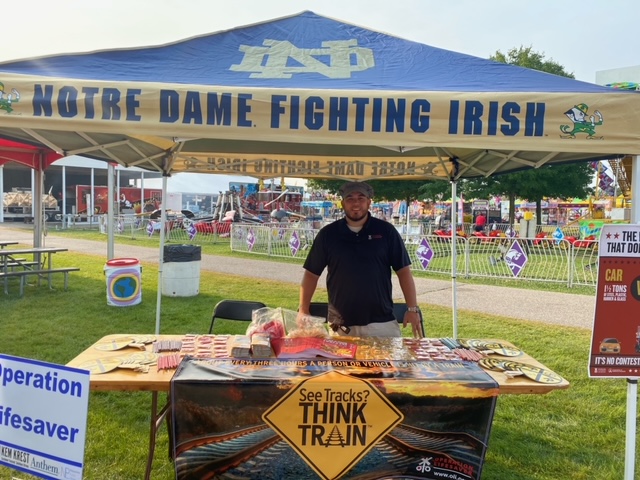
- IN OL Events
- IN OL Safety Partners
- IN OL Statistics
- Event Photos
- Indiana RISC Information & Instructors
About IN OL
What is Indiana Operation Lifesaver?
Indiana Operation Lifesaver (INOL) is a nonprofit public safety education and awareness organization dedicated to reducing collisions, fatalities and injuries at highway-rail crossings and trespassing on or near railroad tracks. OL promotes rail safety through public awareness campaigns and education initiatives, including free safety presentations by authorized volunteers. We speak to school groups, driver education classes, community audiences, professional drivers, law enforcement officers, emergency responders, and others. Our program is co-sponsored by state and local government agencies, highway safety organizations, America's railroads, and other entities. Together we promote the three E's - education, enforcement and engineering - to keep people safe around the tracks and railway crossings within our communities. INOL is part of a national nonprofit program known as Operation Lifesaver, Inc. (OLI).
Why is Operation Lifesaver Needed?
Sadly, every year people in Indiana are killed or injured at highway-rail crossings and at other locations along railroad tracks.
Many people are unaware that trains cannot stop quickly to avoid collisions; or, they take chances by ignoring warning signs and signals, going around lowered gates, stopping on tracks, or simply not paying attention when approaching highway-rail crossings. People also make the potentially fatal mistake of choosing railroad tracks as shortcuts or as places to walk or run for recreation. They may not realize that walking on train tracks is illegal, or understand how quickly and quietly a train can approach. Our safety tips can save your life – or the life of someone you love.
Become an Operation Lifesaver Authorized Volunteer
We are always looking for high-energy volunteers to help us spread our important message. Our volunteers are everywhere—schools, training programs, law enforcement events and safety fairs—with the common purpose of keeping our citizens safe. You can begin the process today by clicking: community.oli.org/community/form_volunteer_applications.
IN OL Events
Upcoming Events:
Elkhart Railroad Museum Rockin the Rails: August 26th, 2023
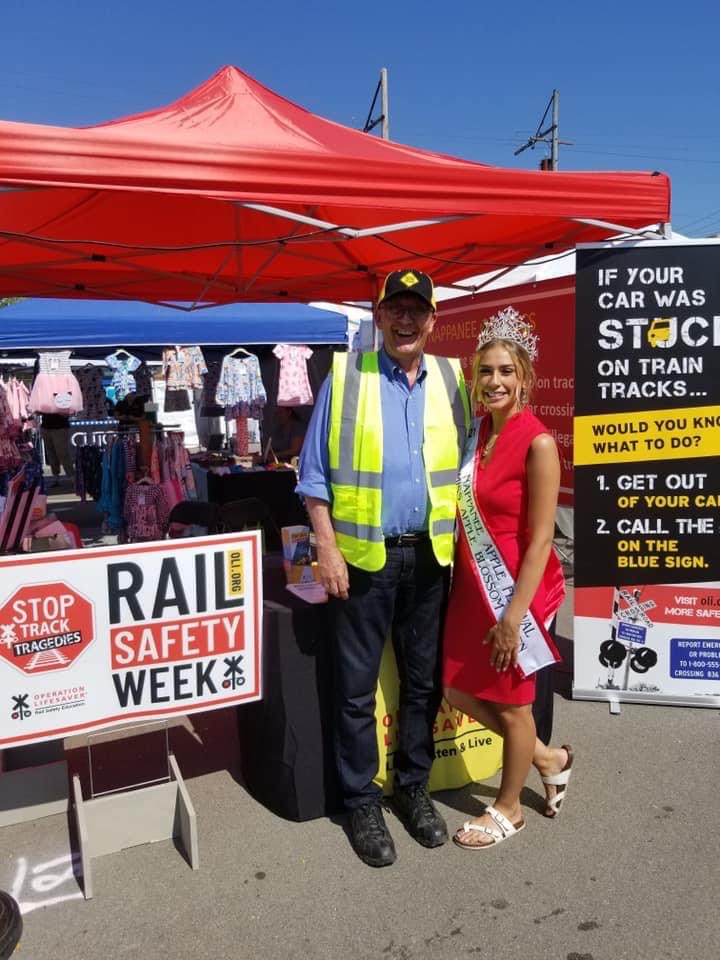
Nappanee Apple Festival: September 14-17, 2023
Rail Safety Week: September 18-24, 2023
Indiana Rail Road Officer on a Train Event: September 19th, 2023
Operation Clear Track Event: September 19th, 2023
Canadian National Railway Rail Safety Week Events: September 18th and 22nd, 2023
OLAV Coach Class- Chicago: September 27-28, 2023
AREMA Interchange- Indianapolis: October 1-4, 2023
RISC Classes (Railroad Investigation Safety Course): On-going
IN OL Safety Partners
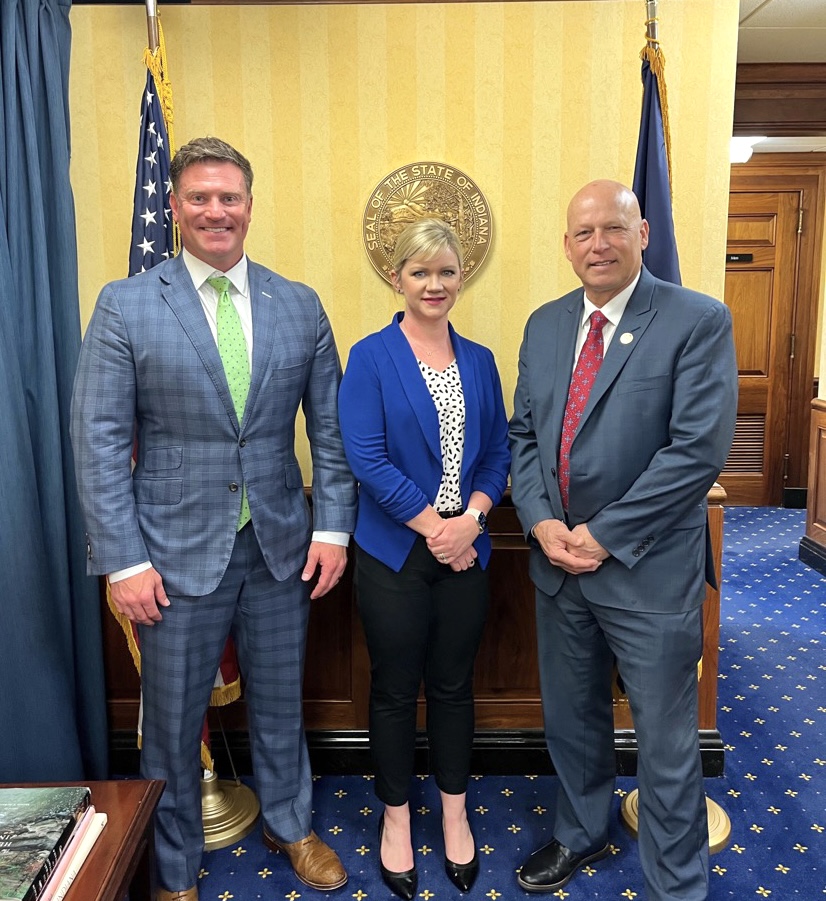
Indiana Operation Lifesaver Board of Directors:
Korey Henderson, Board Chair, Tipton County Sheriff's Department
Jason Bishop, Vice Chair, Regional Manager Community Affairs, CSX Transportation
Tom Rueschhoff, Sec/Treas, INDOT Rail Office
Mike Noland, Board Member, Northern Indiana Commuter Transportation District (NICTD SouthShore)
Gary Langston, Board Member, Indiana Motor Truck Association
Bryan Laurie, Board Member, Chief of Police, BNSF Railway
Michael Crider, Board Member, Indiana State Senator
Safety Partners:
Federal Railroad Adminstration
Federal Highway Administration
Canadian National Railway
CSX Transportation
Norfolk Southern
Indiana Coal Council
NICTD
INDOT
Indiana Motor Truck Association
Shortline Railroad Companies
Amtrak
Indiana State Police
Local Law Enforcement
MAAC Foundation
NIPSCO
Railroads of Indiana Shortline Group
Cumulus Media
Indiana Law Enforcment Training Board
State and Local Officials
IN OL Statistics
Indiana Rail Crossing and Trespass Statistics: 2022
Source: FRA Office of Safety Analysis
Crossing Collisions: 101
Crossing Fatalities: 19
Crossing Injuries: 28
Trespasser Fatalities: 12
Trespasser Injuries: 15
*Indiana is ranked 4th nationally for crossing collisions
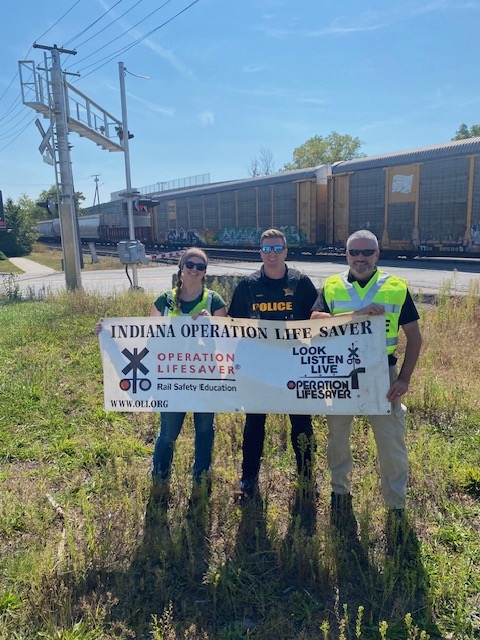
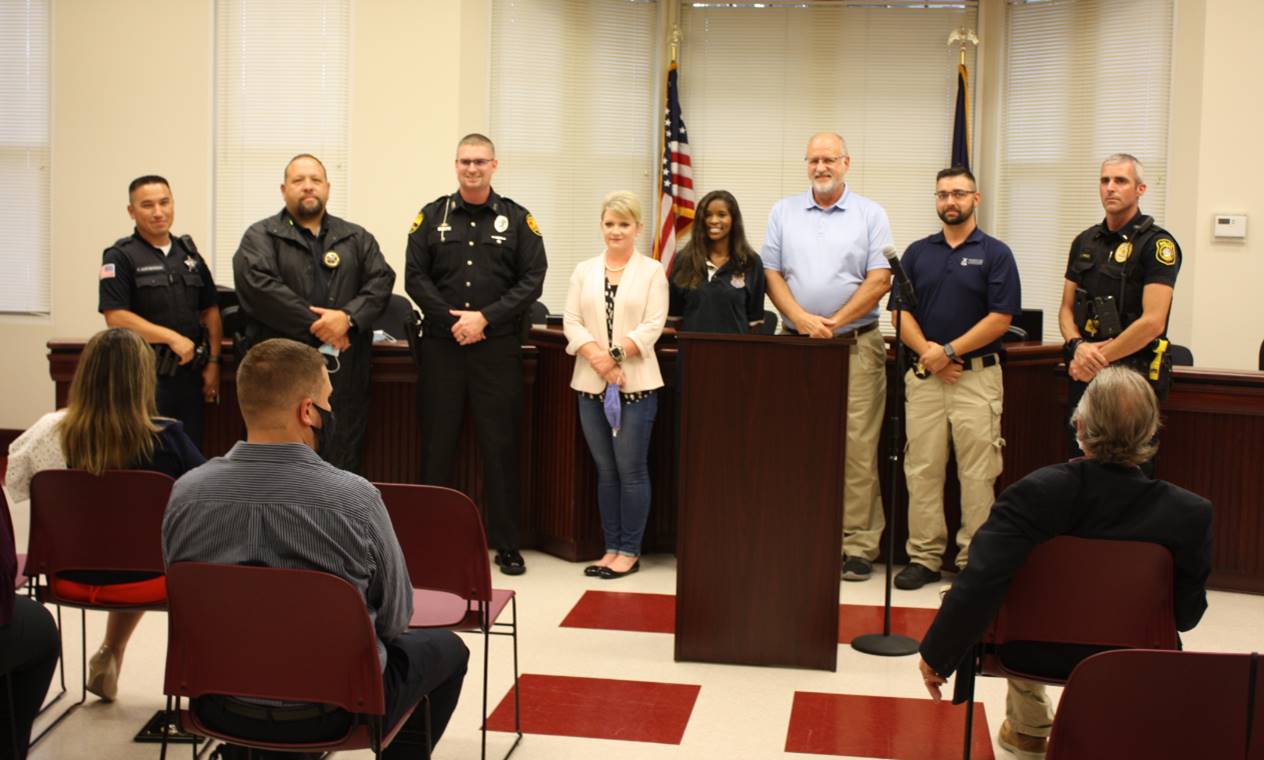
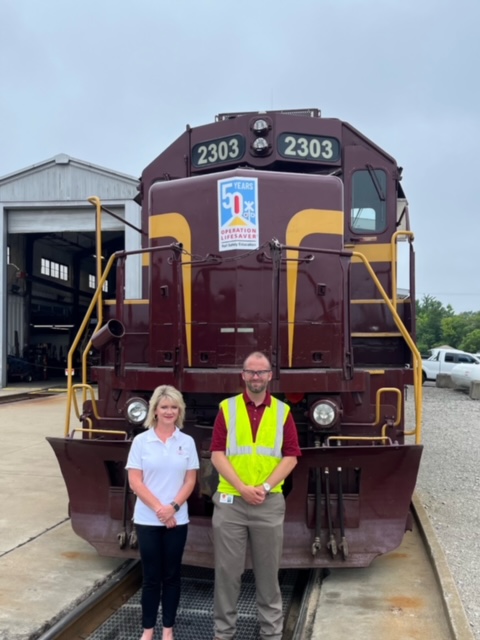
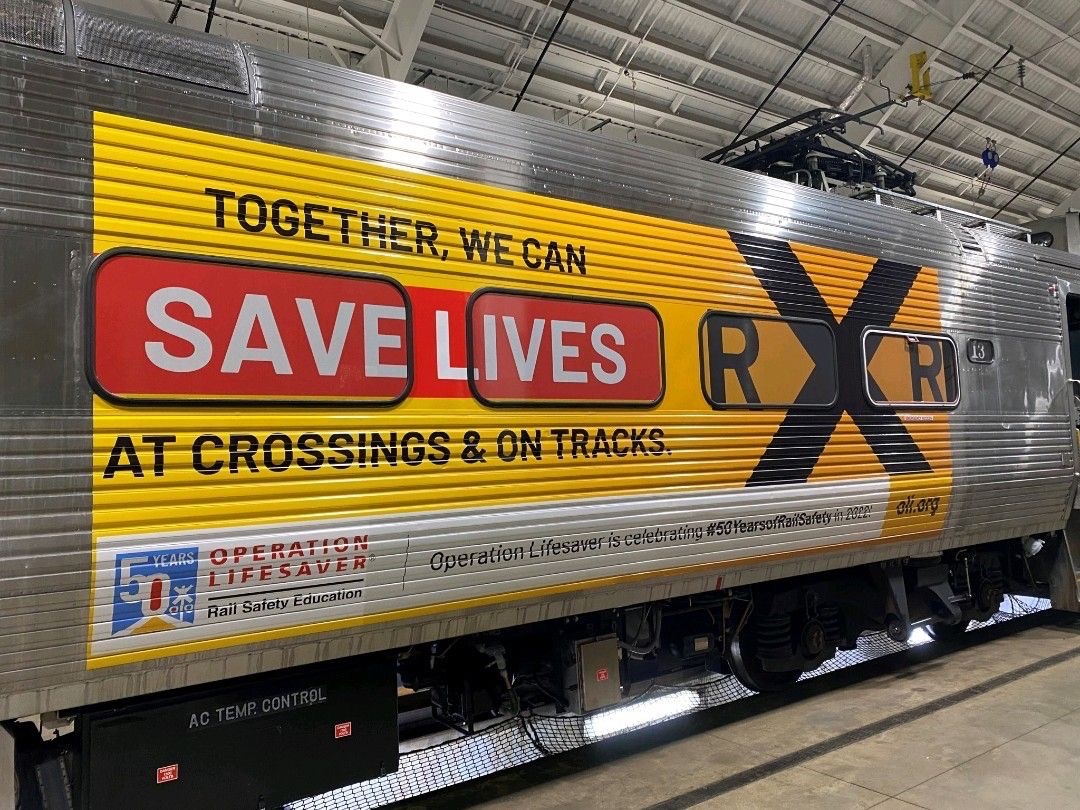
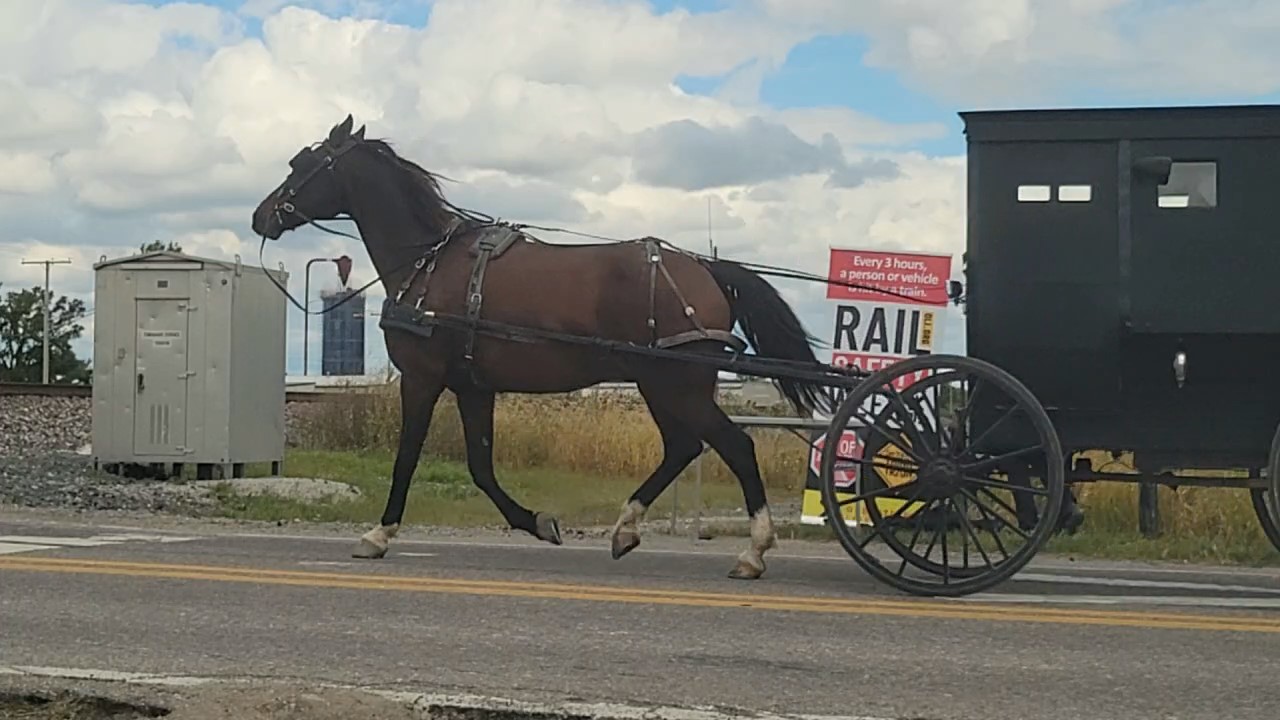
Event Photos
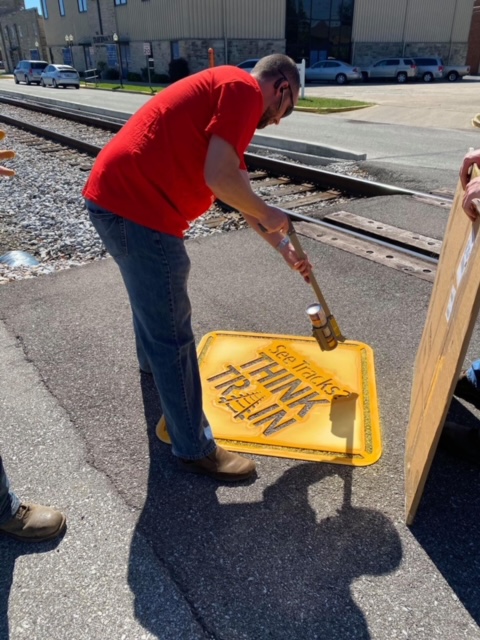
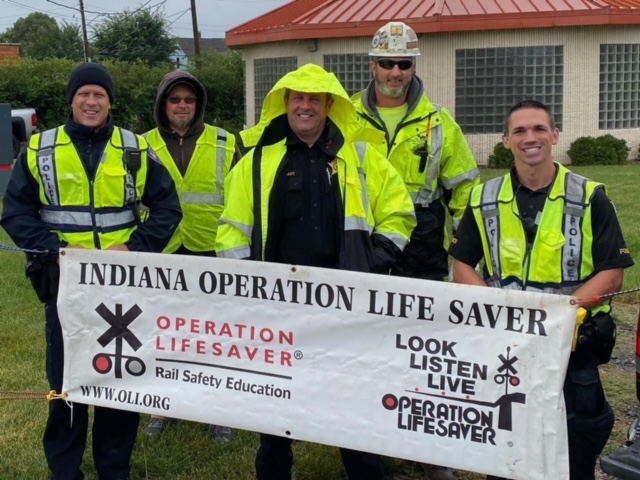
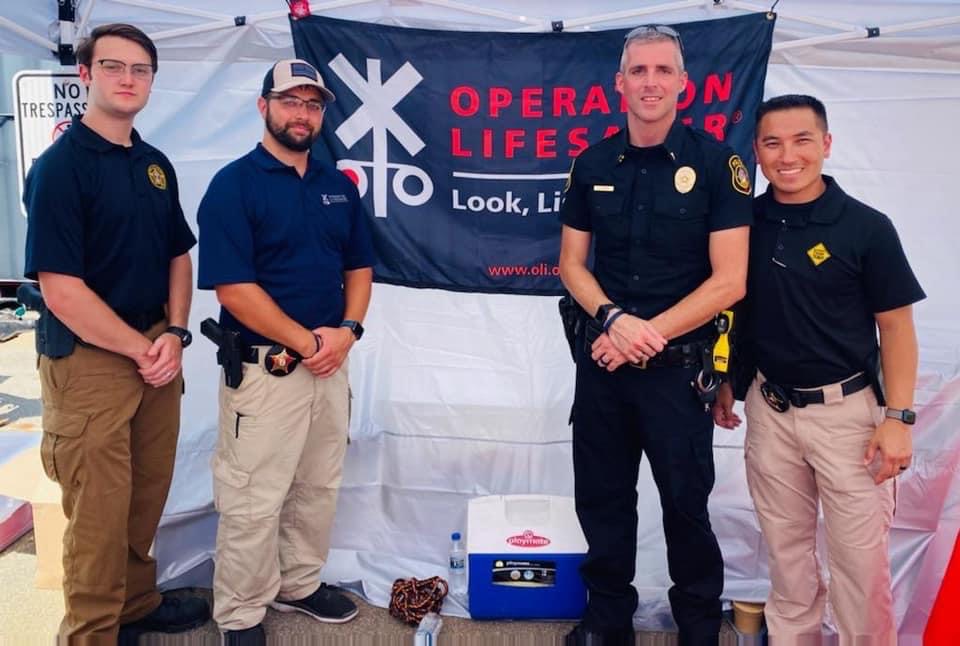
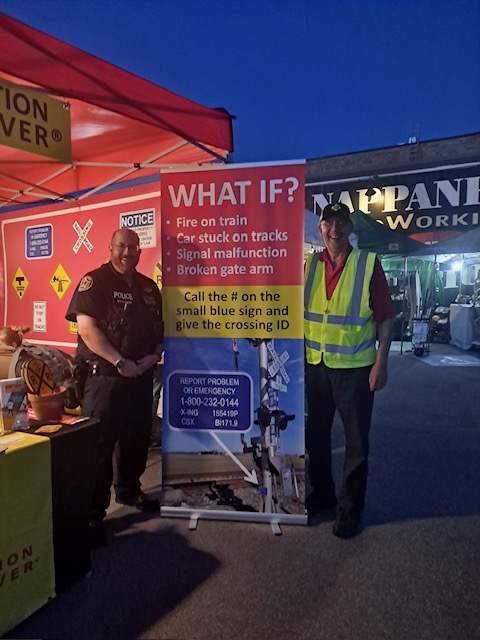
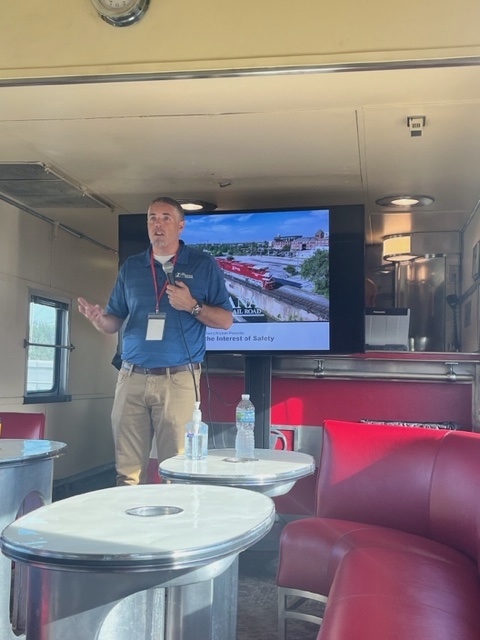
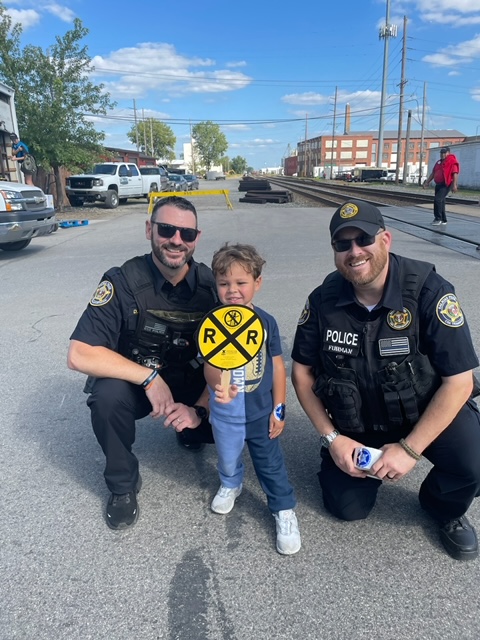
Indiana RISC Information & Instructors
RISC Program
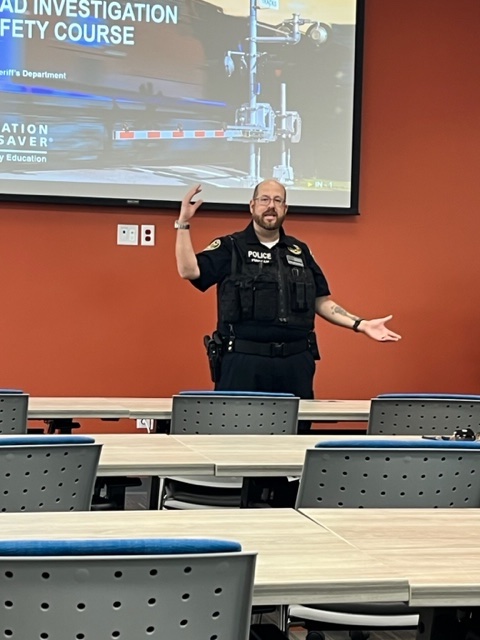
Operation Lifesaver's Railroad Investigation and Safety Course for Law Enforcement (RISC-LE) was developed for the North American first responder community by the nation’s railroad police and Operation Lifesaver, Inc. The RISC-LE prepares you to use the proper safety techniques while responding to or investigating a grade crossing collision or trespasser incident, in addition to maintaining on-scene safety unique to the railroad environment.
Course Overview
RISC-LE provides critical information allowing first responders to effectively and safely respond to and investigate incidents involving the railroad. Railroad Investigation and Safety Course for Law Enforcement (RISC-LE) is offered at the Basic (1-hour), Intermediate (2-hour) and Advanced (4-hour) levels. Training is available at no cost to help officers and first responders more effectively and safely manage such incidents. RISC is post certified in Indiana through the Law Enforcement Training Board.
Schedule a RISC class here: oli.org/info/first-responders/schedule-free-risc-law-enforcement-training
Instructors:
Ascolani, Alex
Canadian National Railway
aascolani528@gmail.com
Jacquez, Shaun
Norfolk Southern
Shaunjacquez@gmail.com
Fletcher, Jeremiah
Louisville & Indiana Railroad
jfletcher@anacostia.com
Feder, Jessica
Indiana Operation Lifesaver
jfeder@inol.org
Schneider, John
CSX Transportation
john_schneider@csx.com
Mathewson, Charlie
Canadian National Railway
charliem83@gmail.com
Furman, John Paul
CSX Transportation
jp_furman@csx.com
Price, Jeffrey
Canadian National Railway
jeffrey.price@cn.ca
Kramer, Jeremy
Louisville & Indiana Railroad
jkramer@anacostia.com
Henderson, Korey
Tipton County Sheriff's Dept
khenderson@tiptoncounty.in.gov
Tanis, Aaron
CSX Transportation
aaron_tanis@csx.com
Hornyak, Jeff
CSX Transportation
jeffery_hornyak@csx.com
Sedevic, Mark
Canadian National Railway
mtsedevic@yahoo.com
Cicero, Carl
METRA
ccicero@metrarr.com
Blythe, Thomas
Porter County Sheriff's Dept.
tblythe@townofporter.com